Choosing where to build a home in California is not just about location — it is a decision that directly affects design strategy, construction cost, permitting complexity, and long-term property value.
From coastal cities to inland regions, each area presents a different set of conditions, including zoning regulations, site constraints, climate factors, and market dynamics. Understanding these differences is essential before committing to land or beginning the design process.
Los Angeles: High-Value Market With Regulatory and Site Complexity
Los Angeles represents one of the most dynamic residential markets in California, where high property values are closely tied to location, views, and architectural differentiation. However, these advantages are accompanied by a high level of regulatory and site-related complexity.
Zoning overlays, hillside ordinances, and lot-specific constraints — including slope, access, and soil conditions — significantly influence both design strategy and construction feasibility. In many cases, projects require detailed coordination with planning departments, structural engineering considerations for grading and retaining systems, and careful alignment with local codes.
As a result, residential development in Los Angeles is rarely a linear process. Successful projects are typically driven by early-stage integration between design, permitting strategy, and construction planning. Working with an experienced home builder in Los Angeles allows these constraints to be identified and addressed early, reducing the risk of delays, redesign, and cost escalation.

San Diego: Climate-Driven Design and Market Stability
San Diego offers a more consistent and predictable framework for residential development, particularly due to its stable coastal climate and relatively balanced regulatory environment.
Moderate temperature variation and consistent solar exposure create favorable conditions for passive design strategies, including natural ventilation, daylight optimization, and indoor-outdoor spatial integration. These factors support the development of high-performance homes that rely less on mechanical systems and more on environmental responsiveness.
From a market perspective, San Diego maintains steady demand across both primary and investment housing, contributing to long-term value stability. While the permitting process is generally more streamlined than in Los Angeles, projects located within coastal zones or environmentally sensitive areas may still be subject to additional review and compliance requirements.
Overall, the region supports a more predictable development process, while still requiring a design approach that responds carefully to climate, site conditions, and local regulations.

Bay Area: Premium Market With Strict Regulations
The Bay Area — including San Francisco, Palo Alto, and surrounding municipalities — operates within one of the most constrained and highly regulated residential development environments in the United States. Property values remain among the highest in the country, but they are closely tied to limited land availability, zoning intensity, and strict approval processes.
Development in this region is shaped by layered regulatory frameworks, including local zoning ordinances, environmental review requirements, and neighborhood-specific design controls. Approval timelines can be extended due to planning reviews, public hearings, and compliance with state and municipal regulations, particularly in areas with environmental sensitivity or historical context.
In addition to regulatory complexity, projects often involve tight urban lots, access limitations, and existing infrastructure constraints. These factors require precise coordination between architectural design, structural systems, and permitting strategy.
As a result, successful projects in the Bay Area rely on a highly strategic and methodical approach, where design decisions are informed not only by site conditions, but also by regulatory pathways and long-term feasibility.
Orange County: Controlled Development and High Standards
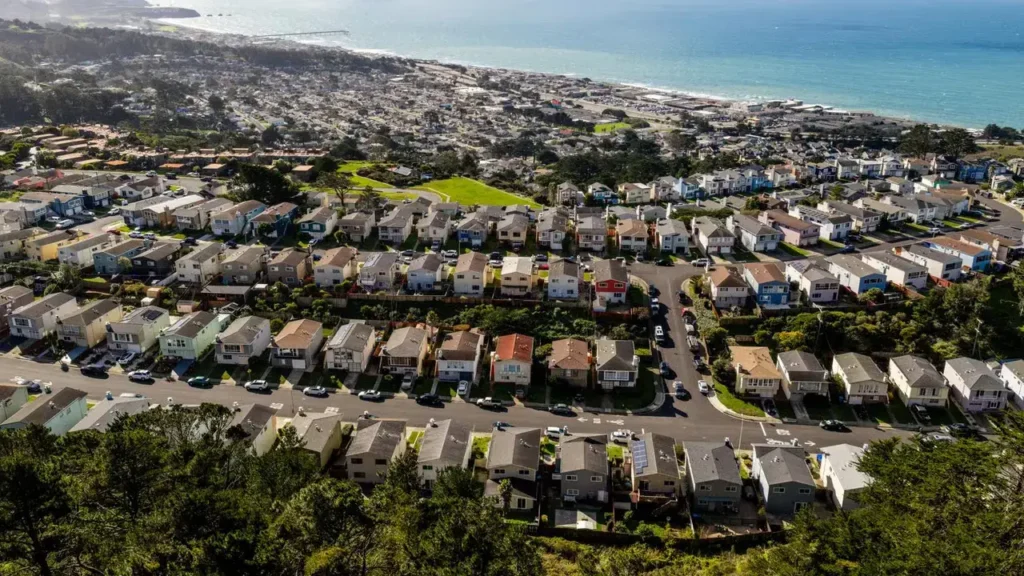
Orange County operates within a more structured and predictable development environment compared to other major regions in California. Strong property values are supported by established infrastructure, master-planned communities, and clearly defined zoning frameworks that streamline certain aspects of the building process.
This level of organization reduces uncertainty during permitting and construction, particularly in areas where development guidelines and municipal requirements are well codified. As a result, project timelines and coordination efforts tend to be more manageable than in highly constrained urban markets.
At the same time, architectural flexibility is often influenced by community-level regulations, including HOA design guidelines, aesthetic controls, and neighborhood-specific standards. These requirements can limit the range of design expression, particularly in planned developments where visual consistency is prioritized.
Successful projects in Orange County require a balanced approach — one that aligns custom design intent with regulatory expectations. Navigating this framework effectively allows for a refined outcome that meets both compliance requirements and project-specific goals without compromising overall quality.

Sacramento and Inland Regions: Cost Efficiency and Growth
Inland areas such as Sacramento, Riverside, and parts of the Central Valley present a more accessible entry point for residential development, primarily due to lower land costs and comparatively fewer regulatory constraints than coastal markets.
These regions have seen consistent growth, driven by affordability pressures in coastal cities and ongoing population migration toward more cost-efficient housing markets. As a result, they offer strong potential for both primary residences and long-term investment, particularly in expanding suburban zones.
From a development perspective, projects in these areas are generally more straightforward to execute. Larger lot sizes, simplified site conditions, and more predictable permitting frameworks contribute to greater efficiency during both design and construction phases.
However, climatic conditions introduce a different set of challenges. Higher summer temperatures, increased solar exposure, and wider seasonal fluctuations place greater emphasis on building performance. Envelope design, material selection, shading strategies, and cooling efficiency become critical factors in ensuring long-term comfort and energy performance.
Successful projects in inland regions rely on adapting design strategies to these environmental conditions, allowing homes to perform efficiently while maintaining cost advantages associated with the location.
What to Consider Before Choosing a Location
Selecting the right location involves more than a comparison between cities. Project feasibility is shaped by a set of interrelated factors that directly influence design strategy, permitting complexity, and construction outcomes:
- zoning regulations and building restrictions;
- site conditions, including slope, soil composition, and access;
- climate and environmental exposure;
- permitting timelines and local approval frameworks;
- long-term property value and market dynamics.
Each of these variables should be evaluated at the earliest stages of project planning, as they establish the parameters within which both design and construction must operate. Engaging an experienced home builder early in the process allows for a more accurate assessment of site constraints and development potential, while a structured custom home building process ensures that these factors are systematically integrated into design development and execution.
A Strategic Approach to Site Selection
Rather than selecting a location based solely on price or market visibility, successful residential projects are defined by the alignment between site-specific constraints, design intent, and long-term investment performance.
In practice, this requires evaluating how physical conditions — such as topography, orientation, and regulatory limitations — interact with architectural strategy and construction feasibility. When these factors are considered in isolation, projects often face inefficiencies, redesign, or compromised outcomes.
In California, where regional differences in climate, zoning frameworks, and development constraints are particularly pronounced, this level of alignment becomes a critical determinant of both project viability and long-term value.
How to Choose the Best Location to Build a Home in California
The best place to build a home in California is not defined by a single factor, but by how well a location aligns with project priorities — whether that is maximizing long-term value, simplifying the construction process, or enabling a highly customized architectural outcome.
Location directly influences every stage of development, from feasibility and permitting to design strategy and construction execution. By understanding these relationships early, it becomes possible to make more informed decisions, reduce risk, and avoid costly constraints as the project progresses.