Detached vs Attached ADU Cost in California: Full Comparison (2026)
Apr 24, 2026- 0 Comments
Choosing between a detached and attached ADU is one of the most important decisions when planning an accessory dwelling unit in California. Both options can add usable space, increase property value, and create rental potential — but the cost structure is not the same.
A detached ADU is typically more expensive because it functions as a separate building, while an attached ADU often uses part of the existing home’s structure. The right choice depends on your property, budget, permitting requirements, and long-term goals.
Understanding the cost difference early helps you choose the ADU type that fits both your financial plan and how you intend to use the space.
What Is a Detached vs Attached ADU?
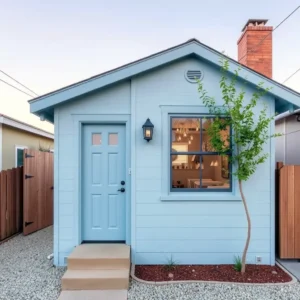
A detached ADU is a fully separate structure built independently from the main house, usually located in the backyard. It has its own foundation, utilities, and entrance, functioning as a standalone living space.
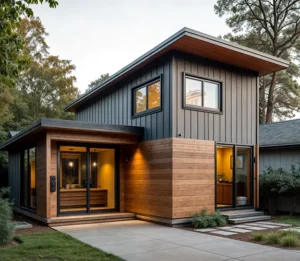
An attached ADU, on the other hand, is built as an extension of the existing home. It shares at least one wall with the main residence and may reuse part of the structure, which can reduce construction complexity.
Both options are allowed in most parts of California, but each comes with different design, permitting, and cost implications.
Cost Comparison: Detached vs Attached ADU
The cost difference between detached and attached ADUs is primarily driven by construction scope and site requirements.
Detached ADU Cost
$200,000 – $400,000+
Detached units require full construction from the ground up, including a new foundation, structural framing, roofing, and separate utility systems. Because they are independent structures, they also allow for more flexibility in design and layout.
Attached ADU Cost
$120,000 – $250,000+
Attached ADUs typically cost less because they utilize an existing wall or structure. This can reduce foundation work, framing, and utility connections. However, the design is often more constrained by the layout of the main house.
What Drives the Cost Difference?
Several key factors influence why detached ADUs are generally more expensive than attached ones:
- Foundation and structural work – Detached units require a completely new structure.
- Utility connections – Separate systems can increase cost.
- Site conditions – Grading, access, and lot layout affect complexity.
- Design flexibility – More customization often increases cost.
- Permitting requirements – Some projects require additional review or adjustments.
Each of these elements should be evaluated early, as they can significantly impact the final budget.
Pros and Cons of Each Option
Detached ADU
Advantages:
- Greater privacy from the main home.
- Higher rental appeal and income potential.
- Flexible layout and architectural design.
Considerations:
- Higher construction cost.
- Longer design and permitting timeline.
Attached ADU
Advantages:
- Lower overall construction cost.
- Faster build timeline.
- Easier integration with existing utilities.
Considerations:
- Reduced privacy.
- Limited layout options.
- Design must align with existing structure.
Which Option Is Better for Your Property?
The right choice depends on how you plan to use the ADU and the characteristics of your property.
Detached ADUs are often the better option for rental income, guest housing, or long-term investment due to increased privacy and independence. Attached ADUs are typically more suitable for expanding living space for family use or when working within a tighter budget.
Site conditions, zoning rules, and access also play a major role in determining which option is feasible.
Cost vs Value: Long-Term Considerations
While attached ADUs are more affordable upfront, detached units often provide greater long-term value. Their independence and privacy make them more attractive for renters, which can increase income potential over time.
In many cases, the decision should not be based on construction cost alone, but on how the space will be used and what return you expect from the investment.
Plan the Right ADU for Your Budget and Property
Every property is different, and the cost difference between detached and attached ADUs depends on more than just structure type.
A well-planned approach that considers site conditions, design goals, and long-term use can help avoid costly changes and ensure a smoother approval process.
Start your ADU project with a clear plan tailored to your property and budget.