Acoustic Design in Luxury Homes: Soundproofing Strategies That Actually Work
Feb 26, 2026- 0 Comments
Luxury isn’t only visual. It’s experiential.
And one of the most defining elements of a truly high-end home is something you don’t see — acoustic comfort.
Open layouts, glass walls, stone finishes, and high ceilings create architectural drama. But without proper acoustic planning, they also create echo, noise transfer, and lack of privacy.
Effective acoustic design is not about adding random insulation. It is about engineering sound control at three levels: structure, systems, and space planning.
1. Structural Sound Isolation (The Foundation of Real Soundproofing)
If sound isolation is not addressed during framing, it becomes expensive and inefficient to fix later.
True soundproofing is built on three physical principles:
- Mass – heavier assemblies block sound better.
- Decoupling – separating structural elements prevents vibration transfer.
- Damping – absorbing vibration energy before it travels.
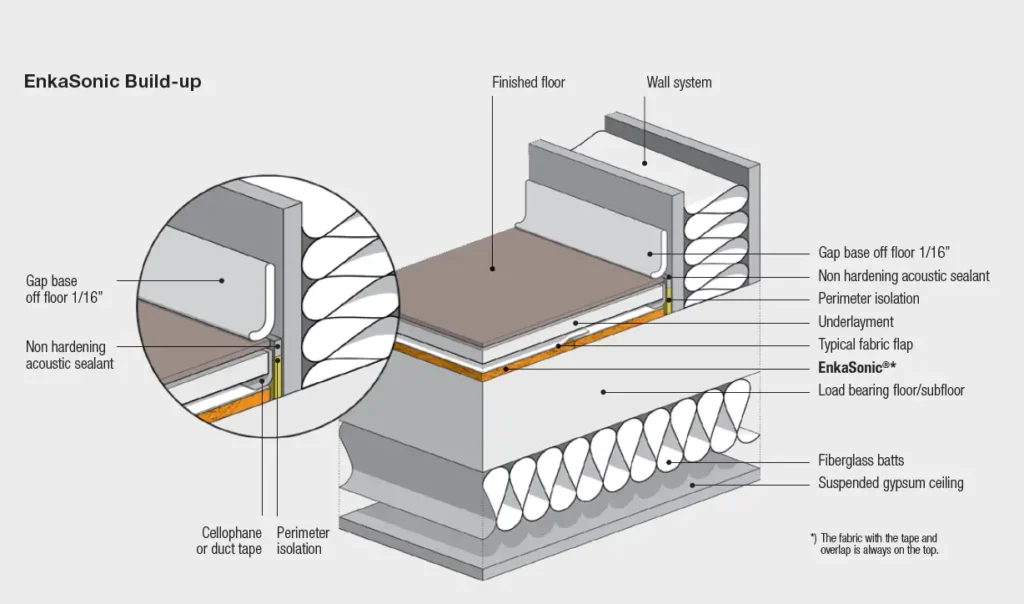
What Actually Works in Luxury Construction:
Double-layer drywall with damping compound
Significantly reduces airborne noise between rooms.
Isolation clips or resilient channels
Prevent sound vibration from transferring through framing.
Double-stud or staggered-stud walls
Ideal for bedrooms, offices, and media rooms.
Concrete or high-mass floor assemblies
Effective for multi-story homes.
Without structural isolation, no acoustic panel or decorative treatment will solve noise problems.
2. Mechanical & Plumbing Noise Control (The Most Overlooked Problem)
In many new luxury homes, the loudest element isn’t people — it’s the house itself.
Air rushing through ducts.
Equipment cycling on and off.
Water moving through pipes.
High-end homes require quieter system design, not just better finishes.
Best Practices:
- Oversized ductwork to reduce air velocity noise.
- Acoustic duct lining.
- Low-sone rated HVAC equipment.
- Flexible connectors to prevent vibration transfer.
- Cast iron plumbing in critical areas.
- Proper pipe insulation and penetration sealing.
Mechanical silence is one of the strongest indicators of professional-level design.
3. Exterior Noise & Glass Management
Large glass walls define modern luxury architecture.
They also define acoustic vulnerability.
Standard double-pane windows are often insufficient in high-density or hillside environments.
Effective Strategies:
- Laminated acoustic glass.
- Mixed glass thickness (asymmetrical glazing).
- Airtight window installation.
- Acoustic-rated exterior doors.
- Attention to sealing details.
Exterior noise control is especially important in urban Los Angeles neighborhoods, coastal roads, and properties near high-traffic areas.
4. Interior Acoustic Comfort (Controlling Echo Without Ruining Design)
Soundproofing prevents noise transfer.
Acoustic treatment improves how a room feels.
Open floor plans with hard materials create excessive reverberation. The goal is not to deaden a space — but to control reflection.
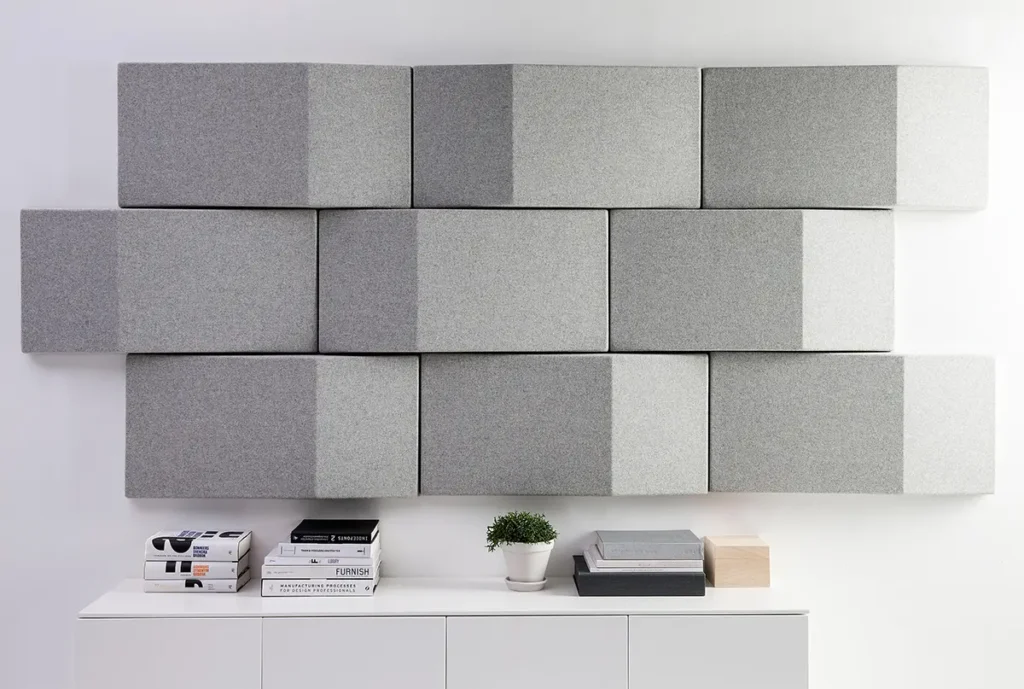
Subtle Solutions That Preserve Luxury Aesthetics:
- Integrated fabric panels within millwork.
- Acoustic ceiling features.
- Wood slat walls with backing.
- Large area rugs with dense pads.
- Upholstered furniture planning.
- Textured finishes instead of fully polished surfaces.
Proper acoustic balance makes conversations clearer and spaces feel warmer.
5. Smart Layout Planning (The Most Cost-Effective Strategy)
The most powerful acoustic decision is made before construction even begins: layout.
Strategic zoning reduces the need for expensive upgrades — and often eliminates the need for complex structural soundproofing later.
When developing custom residences in Los Angeles, we often begin with spatial hierarchy and privacy logic before selecting materials. You can see how this approach translates into real projects in our curated luxury house plans collection, where zoning and separation are built into the architectural concept from the start.
Effective Layout Strategies:
- Buffer spaces (closets, bathrooms) between bedrooms.
- Separating the primary suite from entertainment areas.
- Avoiding stacked quiet/loud room combinations.
- Placing mechanical rooms away from sleeping areas.
Good architecture solves acoustic challenges before materials are even selected — making layout planning the most cost-effective sound strategy in luxury home design.

Cost Perspective
In high-end residential construction, acoustic performance is typically categorized as a specification upgrade rather than a structural overhaul — when addressed early in the design phase.
For custom residences in the $4M–$15M+ range, enhanced acoustic measures generally represent:
- 1–3% of total construction cost for upgraded wall assemblies, improved floor-ceiling systems, and higher-performance glazing.
- 3–6% when incorporating advanced decoupling systems, acoustic glazing packages, and mechanical noise mitigation strategies.
- Higher allocations for specialty environments such as home theaters, music rooms, or recording studios, where room-within-a-room construction and low-frequency isolation are required.
It is important to understand that acoustic upgrades become significantly more expensive when introduced after framing or during late-stage construction. Early coordination between architect, builder, and mechanical engineer keeps cost impact controlled and performance measurable.
In the competitive Los Angeles luxury home market, where architectural expression often includes expansive glazing and open-plan layouts, integrated acoustic planning is increasingly viewed as a marker of construction quality. As an experienced Los Angeles home builder, incorporating acoustic strategy during schematic design helps align performance expectations with investment level.
Relative to the overall capital allocation of a luxury property, acoustic engineering remains a modest percentage — yet it directly influences daily livability, privacy, and long-term value perception.
Acoustic Design as a Benchmark of Luxury Construction
Acoustic performance is rarely highlighted in architectural photography or marketing materials. Yet it is one of the most immediate indicators of construction quality once a space is occupied.
In high-end residential design, visual composition and material selection are only part of the equation. Spatial acoustics, sound isolation, and mechanical noise control directly influence how architecture is experienced on a daily basis.
The distinction between a visually impressive home and a truly refined residence often lies in its acoustic calibration — how effectively it manages vibration, reverberation, and sound transfer across spaces.
When acoustic strategy is integrated during schematic planning and coordinated through structural, mechanical, and envelope design, the result is not simply reduced noise. It is measurable performance, spatial privacy, and a higher level of architectural resolution.
In that sense, acoustic design is not an upgrade. It is a standard of professional maturity in luxury construction.