Rebuilding after wildfire damage is a major decision that requires careful planning, updated code compliance, and a clear design strategy. Ataman Studio helps California homeowners move from uncertainty to a well-planned, permit-ready rebuild.
Wildfire reconstruction projects often involve more than simply rebuilding what previously existed. Updated building codes, zoning requirements, wildfire safety regulations, site conditions, and infrastructure changes can all influence the rebuilding process.
Careful planning early in the project helps homeowners better understand potential limitations, opportunities for improvement, and the steps required before construction can begin.
Common considerations during fire rebuild projects:
evaluating existing site conditions;
updated California fire safety requirements;
rebuilding permits and local approvals;
slope and drainage considerations;
utility and infrastructure coordination;
modernizing layouts and living spaces;
improving long-term property resilience.
Modern Rebuild Opportunities
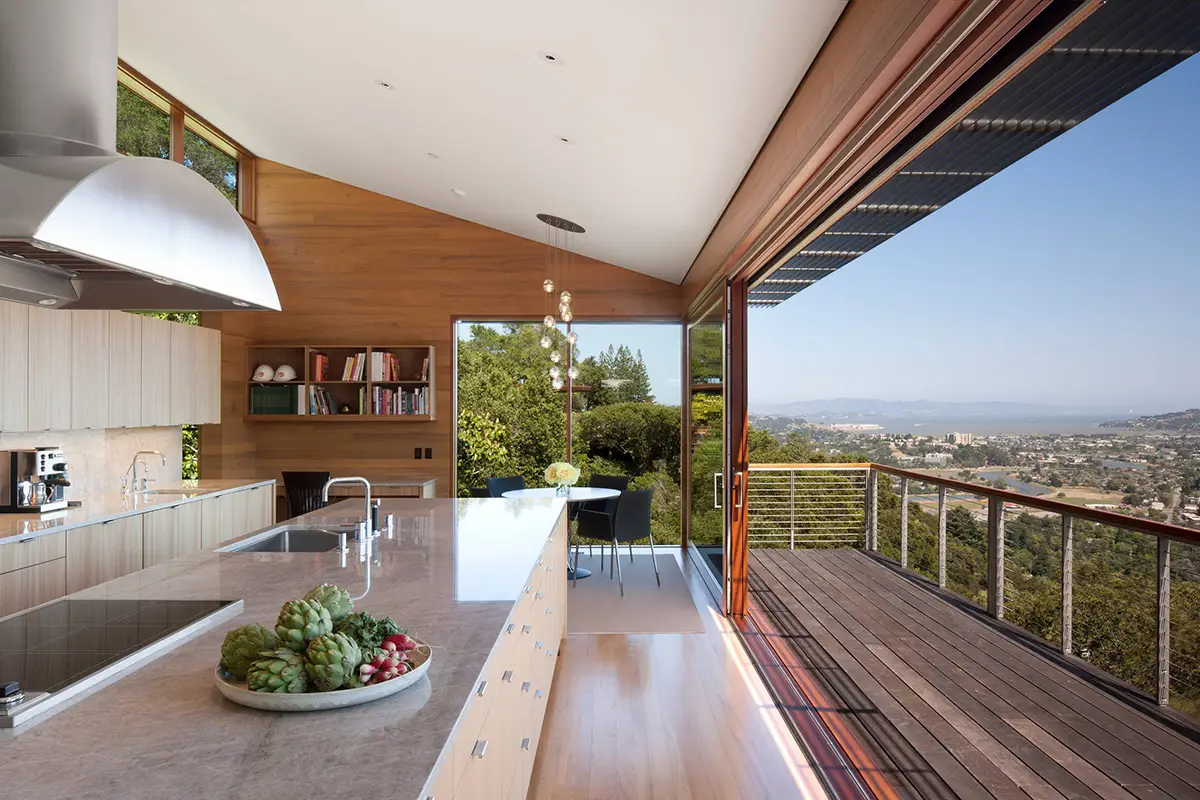
Many California homeowners use the rebuilding process as an opportunity to improve functionality, modernize layouts, and create homes better suited to their long-term needs and lifestyle.
Fire rebuild projects may allow for:
updated open-concept floor plans;
improved indoor-outdoor living;
larger windows and natural light optimization;
modern California architectural styles;
energy-efficient design strategies;
enhanced exterior materials and durability;
integrated guest spaces or ADUs.
Thoughtful design planning can help transform a difficult rebuilding process into an opportunity for long-term property improvement.
Rebuilt homes may need to meet newer standards than the original structure.
Wildfire Safety Requirements
Materials, defensible space, and exterior design may affect long-term resilience.
Zoning & Setbacks
Local rules can influence the rebuild footprint, height, and layout.
Site Conditions
Fire damage, slope, drainage, and access can affect planning decisions.
Utility Connections
Water, gas, power, and sewer systems may need review or upgrades.
Permitting Timeline
Early documentation helps support a smoother review process.
Careful evaluation of these factors early in the rebuilding process can help homeowners make more informed decisions, reduce unexpected revisions, and create a clearer path toward permitting and construction.
Wildfire reconstruction projects create an opportunity not only to rebuild a home, but also to improve how the property performs long-term. Many California homeowners choose to modernize layouts, improve indoor-outdoor living, optimize natural light, and incorporate more resilient planning strategies during the rebuilding process.
Careful design coordination can also help address important site-specific considerations such as defensible space, drainage, access, material selection, and overall property functionality. While no home can be completely fireproof, thoughtful planning and updated design approaches can help support greater long-term resilience and a smoother rebuilding experience moving forward.
Frequently Asked Questions
Can I redesign my home after wildfire damage?
Yes, in many cases homeowners can update the layout, size, exterior style, or functionality, depending on local zoning and rebuilding regulations.
Do fire rebuild projects need new permits?
Yes, most wildfire rebuild projects require updated permits and must comply with current California building and safety codes.
Can a rebuild include an ADU?
In some cases, yes. Depending on the property, zoning, and available space, an ADU or guest unit may be included as part of the rebuilding plan.
Is it possible to make the new home more fire-resistant?
While no home is completely fireproof, thoughtful design, material choices, and site planning can help improve long-term resilience.
What should I do first after deciding to rebuild?
The first step is usually a site and feasibility evaluation to understand what can be rebuilt and what requirements may apply.
Rebuilding after wildfire damage can feel overwhelming, but the right planning process helps create clarity from the beginning. Ataman Studio helps homeowners design thoughtful, permit-ready homes built for the next chapter.